
Resources
Children and school
Raising a child with a bleeding disorder, from the first babysitter to the first semester away.
Everything here is for parents raising a child with a bleeding disorder. The first half follows your child through the stages, from finding a babysitter you trust to sending them off to college. The second half is the school paperwork, gathered in one place, because most of it is needed in August.
Jump to
Birth to about 3
Infant years
Finding someone you trust to watch your child, learning to spot a bleed, and getting your child's condition written down somewhere a stranger can find it.
Caregiver and daycare preparation
Medical ID
In an emergency your child's bleeding disorder is the first thing a responder needs to know, and at school there is no parent there to say it.
Understanding and identifying bleeds
Communicating your child's needs
Work with your treatment center to write the letter. They have done it before.

About 3 to 5
Toddler years
The first time your child is somewhere you are not, with people who have to be told what to watch for and what to do.
Childcare and social interactions
Education and awareness
Health and safety
Rights and quick reference

About 5 to 15
School years
The longest stretch, and the one with the most paperwork. A 504, an IHP, a letter for the field trip, and a teacher who changes every August.
Education and school support
504, IEP and IHP
Health and safety

16 and up
After high school
College, a trade, a first job, and the year your child stops being on your insurance. This is the stretch where they take it over from you.
Education and career paths
Life on campus and beyond
Healthcare transition
Rights and quick reference

Our families
Every one of these started with a first day
Texas children and teenagers living with a bleeding disorder, on their way back to school.


The paperwork
Back to school
Worksheets, slides for teachers, and the difference between a 504, an IEP and an IHP. Most of it is wanted in August, so it lives here all year.
Worksheets & Informational Documents
-

Back to School with a Bleeding Disorder
Guidance for parents of children with bleeding disorders on how to collaborate with school personnel to ensure a safe and supportive educational environment, addressing both medical and social needs.
-

My Bleeding Disorder
A customizable document to inform teachers and coaches about your child’s bleeding disorder, providing an overview of hemophilia and emergency procedures. This sheet is also a great information to have teachers keep in their substitute folder when they are out.
-

-

Customizable PowerPoint Slides for Teachers (6-12)
Helps educate school staff about bleeding disorders and your child's needs. Available for both K-5 and 6-12 grade levels.
-

Engaging School Faculty and Staff
Learn how to educate school personnel and establish necessary accommodations. Resources are available for ages 0-8, 9-15, and 16-25.
-

Transitioning to a New School
Tips to assist in researching new schools and working with staff to ensure a smooth transition. Resources are available for ages 0-8, 9-15, and 16-25.
-

Starting High School
Transitioning from 8th grade into High School
-

Starting the Discussion with School Staff
Guidance on how to begin conversations with educators about your child's needs.
-

Ask a Social Worker: Dealing with Your Child’s School
Learn effective strategies for addressing school-related concerns and issues.
-

What Schools Should Know: Having a Student with a Bleeding Disorder
A short video designed to educate teachers and staff.
-

Field Trips & Extracurriculars
A guide for participating safely in school trips and activities, with resources for ages 0-8, 9-15, and 16-25.
-
Playing It Safe
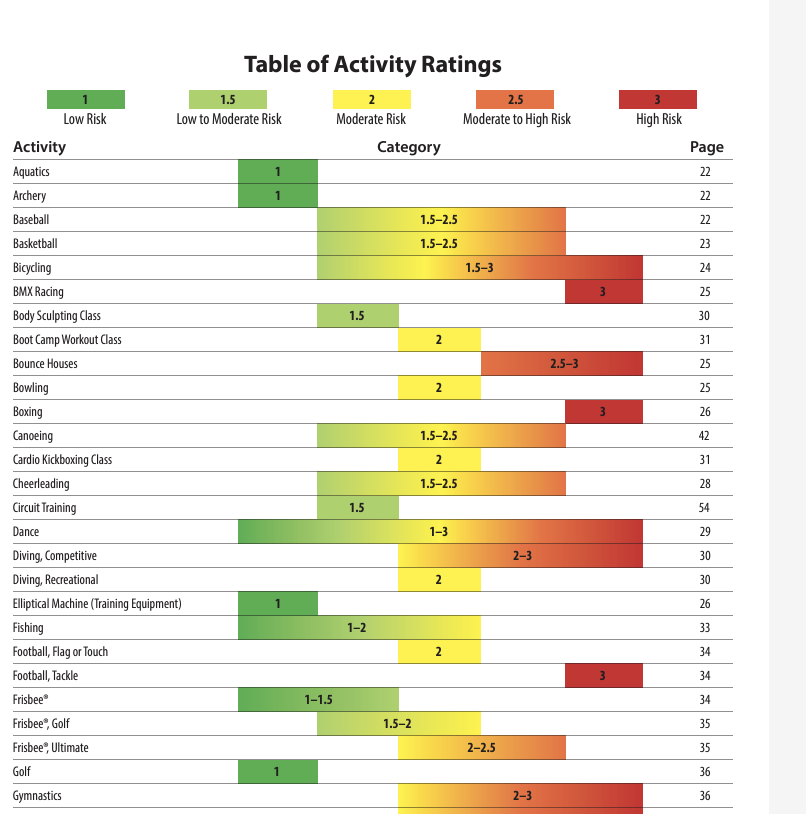
A comprehensive guide on sports and exercise for children and teens with bleeding disorders.
-

Been There, Done That
Practical tips for new college students, shared by both students and parents.
-

Ask a Social Worker: Back-to-School Questions for Kids and Adults
Advice for parents supporting their children and for adults considering returning to school.
-

Learning to Advocate for Your Child with an Inhibitor
An experienced social worker, with the help of two parents, cover proven techniques for effectively advocating for your child, including tips to enhance communication, managing stress and expectations, and developing an advocacy strategy in this video
-

Bullying
Bullying is a serious problem. It is important to know about bullying and what to do if you or someone you know is bullied.
-

Excused Absence for Advocacy?
Guidance for advocacy days absences
-

Excused Absences
Children and teenagers with bleeding disorders may miss numerous school days due to falls, joint bleeds, port infections, or inhibitor complications, but by taking a proactive team approach, parents can collaborate with teachers and school staff to help them stay on track with their studies, receive necessary support, and complete each grade on time.
-

Back to School Anxiety (Podcast Episode)
What to know about managing back-to-school anxiety.
-

Back to School (Podcast Episode)
This episode from Blood Stream Median deals with all things back to school.
IEP and 504 Resources for Bleeding Disorders
-

What's the difference between an IEP, IHP and 504
Explaining the differences between Individualized Healthcare Plans (IHPs), 504 Plans, and Individualized Education Programs (IEPs), and how these plans support different aspects of student care, from healthcare needs to educational accommodations.
-

A 504 or IEP?
A flowchart to help you determine which plan is best for your child.
-
-
Customizable PowerPoint Slides for Teachers (6-12)
Helps educate school staff about bleeding disorders and your child's needs. Available for both K-5 and 6-12 grade levels.
-

Planning for a 504 or IHP
A few reasonable accommodations you can request for your child with a bleeding disorder in their 504 Plan or IEP
Back-to-School Necessity: Medical ID
In an emergency, your child’s bleeding disorder is crucial information for first responders. A medical ID ensures their condition is communicated promptly and accurately, particularly when they’re at school without a parent to advocate for them. Examples of places to get a Medical ID: here, here, and here.
Where to next
Keep going
Most of what is on this page belongs to other organizations, chiefly the National Bleeding Disorders Foundation's Steps for Living. We gather it; they wrote it.