
Get Involved
Take Action
Insurance rules, Medicaid decisions and pharmacy policy decide what treatment a Texas family can actually get. Those decisions are made by people who need to hear from you — and you do not need any experience to start.
Where we focus
What we’re working on
These are the issues the Foundation is pressing on right now, at the Texas Capitol and in Washington.
Access to High Quality Medical Care
Hemophilia and other bleeding disorders are rare and highly specialized disorders. It is critical that access to physicians with specialized expertise in bleeding disorders are available in all health insurance plans, both private and public. Studies of this disorder group have shown that to receive high quality treatment, patients need access to a comprehensive team of health care specialists to formulate the best treatment regime at the appropriate site of care.
Access to Clotting Factor
Individuals with bleeding disorders require access to products and treatments prescribed by their health care providers. This includes FDA-approved products as well as novel therapies and bypassing agents for individuals with hemophilia and inhibitors.
Access to Specialty Pharmacy Providers
Clotting factor products fall in a class commonly known as “specialty drugs,” which because of their properties, require specialized storage and handling. Given these special handling and storage requirements, someone with hemophilia cannot go to a traditional neighborhood pharmacy to obtain their life-saving medications. Instead, they receive their medication from what is known as a specialty pharmacy.
Women’s Health
A woman may go, on average, 16 years from the onset of symptoms to a bleeding disorders diagnosis. Bleeding disorders — especially hemophilia — have long been considered a boy’s disease but can also affect women. von Willebrand disease is extremely under-diagnosed. It is estimated that 1–2% of the total population has von Willebrand disease, and many suffer many years before diagnosis. We need to improve access to women’s healthcare. Many girls are put on birth control, women have unnecessary hysterectomies, or almost lose their lives.
Mental Health
Bleeding disorders put a lot of stress on the entire family. In a study done in 2022, more than 1/3 of patients with a bleeding disorder reported a connection to a mental health condition. We know this number has continued to rise. Some patients require residential mental health care, and although their bleeding disorder treatment is stable and self-administered, they are denied admission because of their bleeding disorder.
Medicaid & Preferred Drug List
Medicaid — educating the community about the importance of keeping information current and reviewing Medicaid benefits. Preferred Drug List — it is essential that ALL hemophilia medications remain included on the Preferred Drug List.
Copay Maximizers
In 2023, HB 999 eliminated copay accumulator programs. Now, insurance plans are implementing copay maximizers. Some health plans classify certain specialty medications as “non-essential” and exclude coverage for our life-saving drug; these “non-essential” medications are then placed into a copay maximizer program. The plan sets the patient’s copay at the maximum amount of available copay assistance, while the manufacturer’s copay assistance does not count toward the patient’s deductible or out-of-pocket maximum. As a result, patients take much longer to meet cost-sharing requirements and end up paying thousands of dollars more than the intended annual maximums.
Rare Disease Advisory Council
The establishment of a Rare Disease Advisory Council would enhance outcomes for patients with numerous rare conditions, including bleeding disorders. A robust RDAC enables government officials and the rare disease community to collaborate in creating the resources needed to strategically prevent and address barriers, helping affected citizens thrive. A Council includes representation from patients, physicians, stakeholders, hospitals, public health officials, researchers, and patient-led organizations. It provides information on the provider–patient relationship, identifies best practices, and raises awareness to inform and improve public policy.
At the Texas Capitol
Austin Days
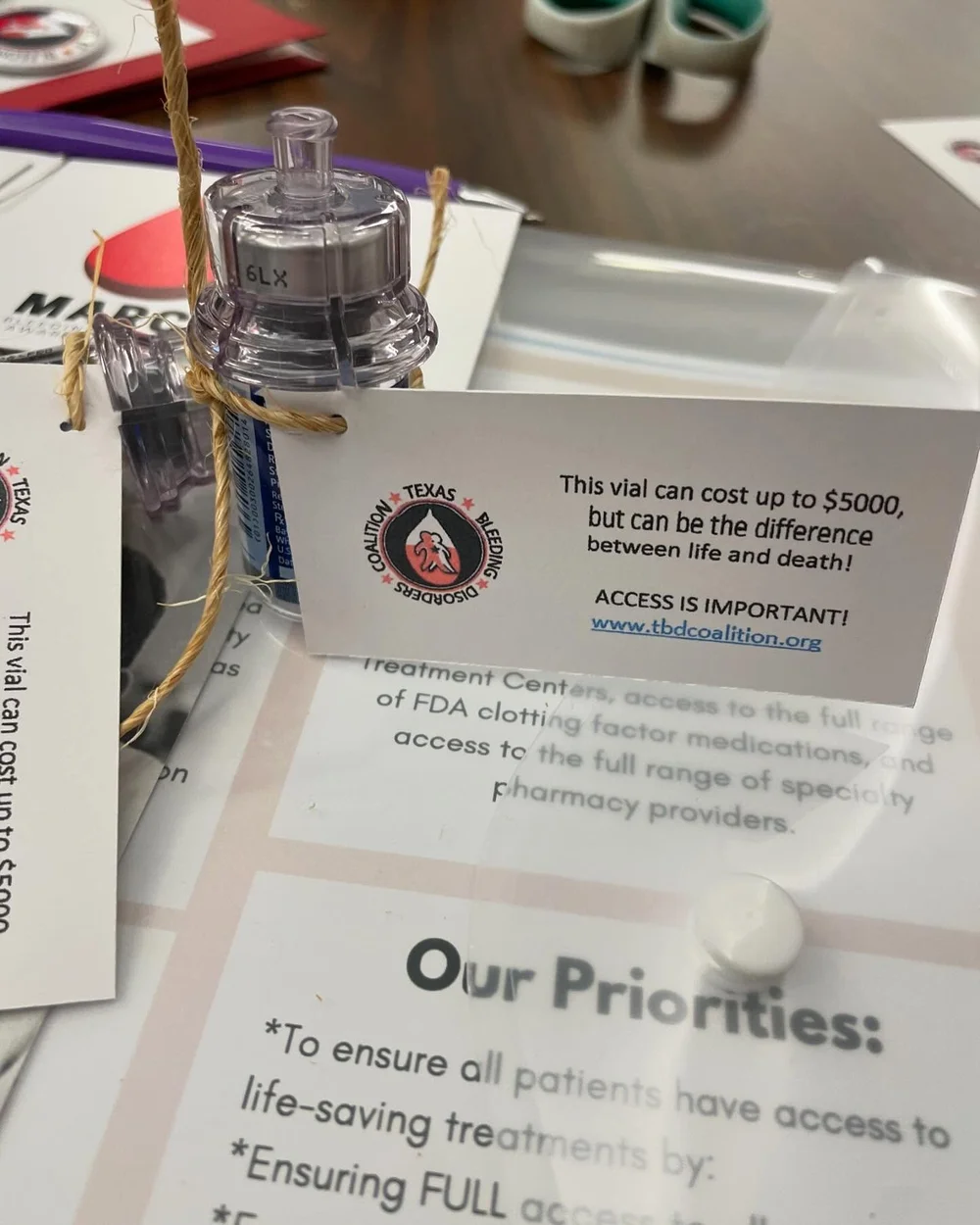
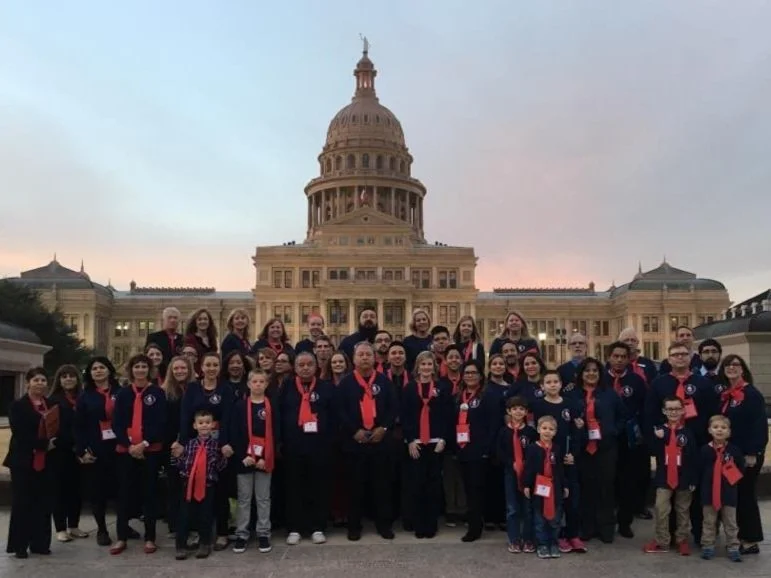
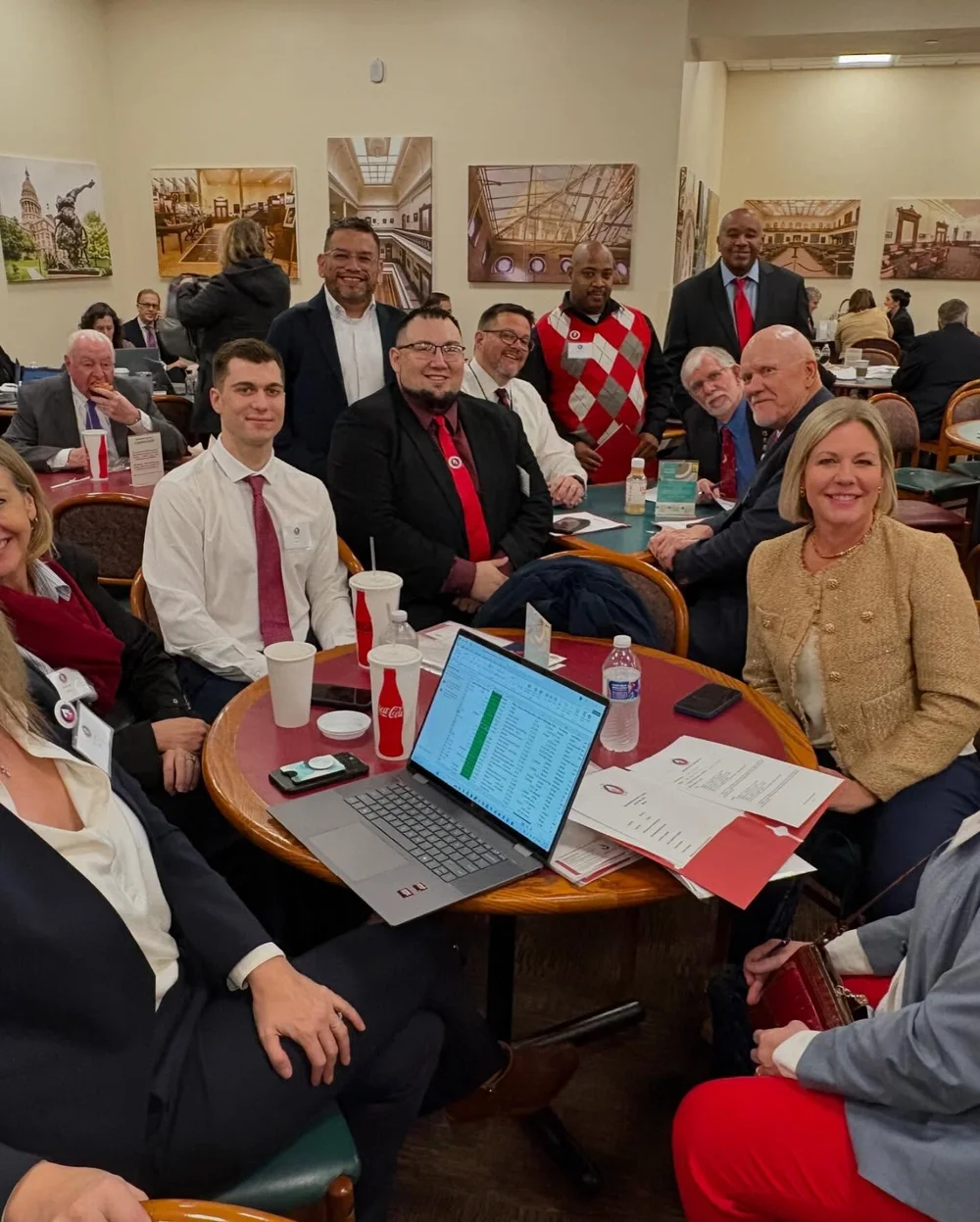
Texas legislators hear from lobbyists constantly. They rarely hear from a family living with a bleeding disorder. That is what Austin Days is for.
Texas Bleeding Disorders Advocacy Coalition
The Texas Legislature meets biannually (every two years on the odd year) and we have developed a strong state based advocacy presence in Texas via the Texas Bleeding Disorders Advocacy Coalition.
In 2012, the Lone Star Chapter of the National Hemophilia Foundation and the Texas Central Hemophilia Association spearheaded an effort to bring together community leaders to establish a state-wide advocacy group, The Texas Bleeding Disorders Coalition. These key stakeholders encompassed representation from both chapters, a Hemophilia Treatment Center representative and representatives from both NHF and HFA. In 2013, the Texas Bleeding Disorders Coalition was launched to connect advocates across the state to collectively work on issues throughout the year capitalizing on our strength in numbers and our passion to serve the bleeding disorders community. We are united and dedicated to our centralized priorities: ensuring that all consumers have access to high quality medical care at Hemophilia Treatment Centers, access to all clotting medications and access to the ancillary services, support and education needed by our community.
The Lone Star Bleeding Disorders Foundation provides travel scholarships to attend Austin Days.
Next Austin Days
Loading…

Where the work is done
The Texas Bleeding Disorders Coalition
Lone Star is one of the two chapters that make up the coalition, alongside Texas Central Bleeding Disorders. The coalition is where the legislative work happens, and it keeps the working documents — the talking points, the priorities, the figures. They are kept current there, so they are linked rather than copied.
The coalition site is also in Spanish. Use the language switch on txbdcoalition.org — this site's translation does not carry across to another domain.
In Washington
Washington Days
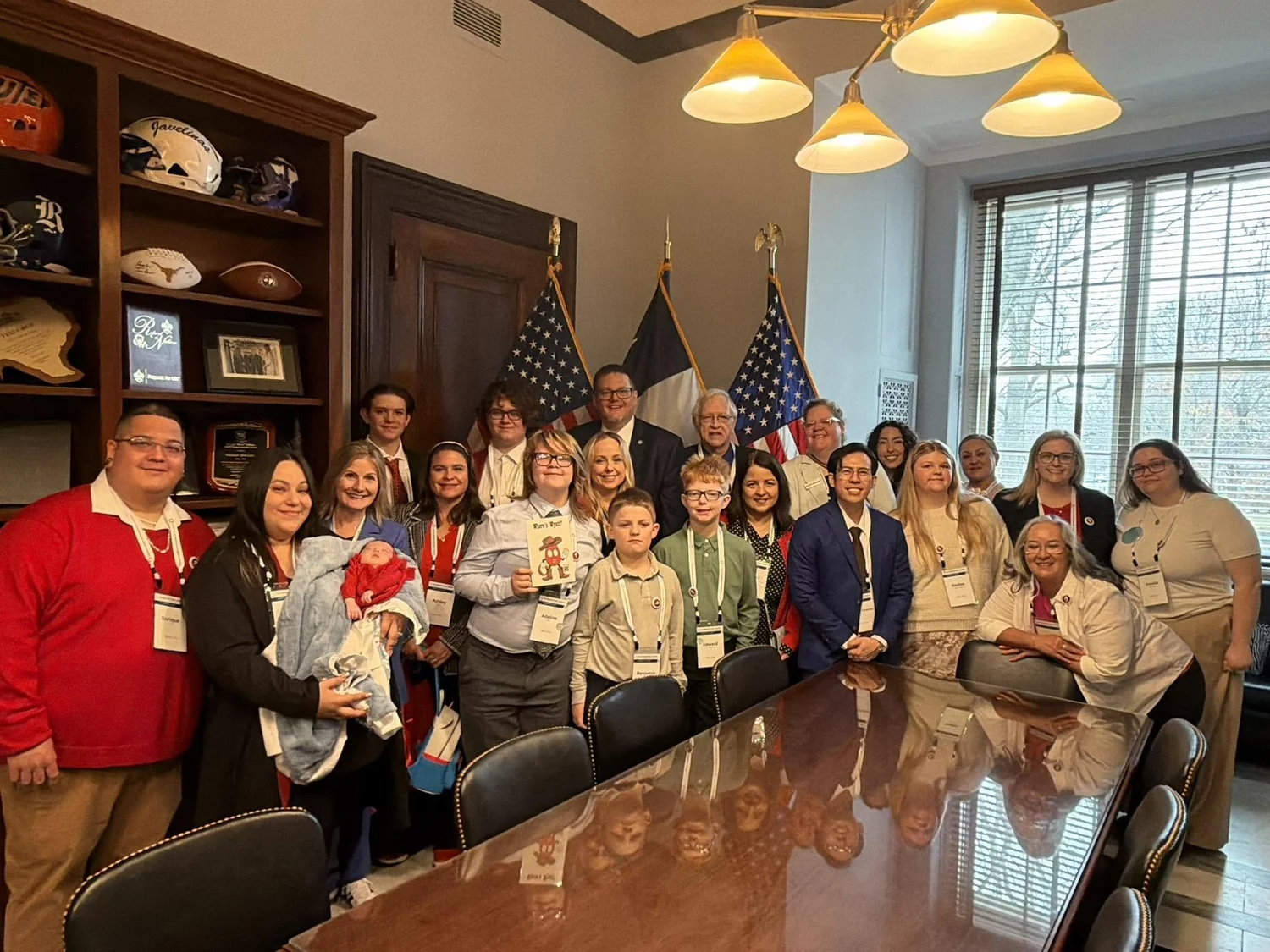
Federal policy decides what insurance has to cover. Washington Days puts Texas families in front of the people who write it.
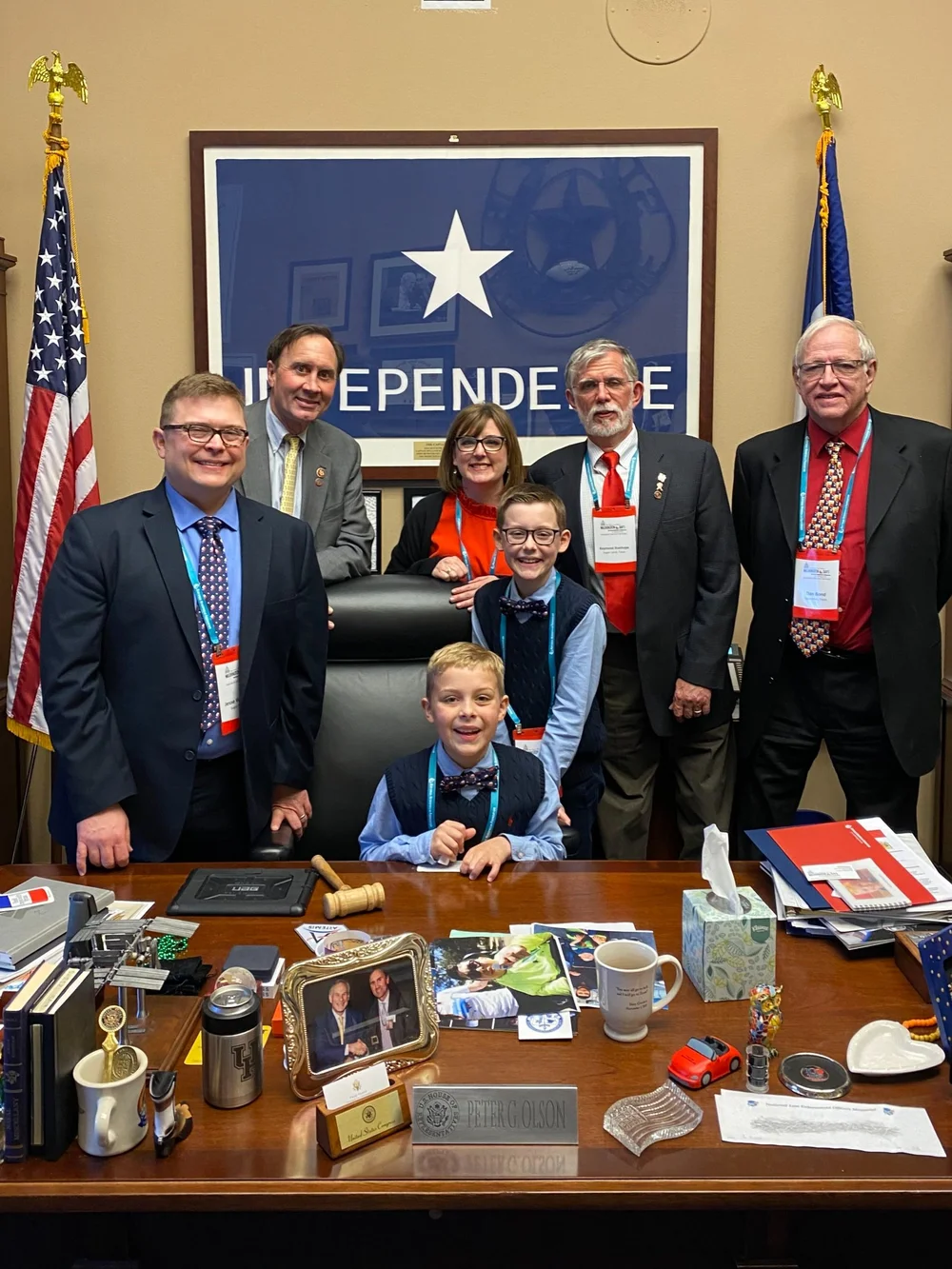
Each March, advocates from across the country join the National Bleeding Disorders Foundation (NBDF) for its annual Washington Days. This event allows you to share your story with your elected officials and their staff while also asking for them to support federal policies that are important to our community.
The Lone Star Bleeding Disorders Foundation is a member of the Texas Bleeding Disorders Advocacy Coalition, which provides travel scholarships to attend this event.
Next Washington Days
March 3–5, 2027
Also confirmed: March 8–10, 2028 · February 28 – March 2, 2029
Before you go
Advocacy dos and don’ts
You do not need to be a policy expert. You need your story, a few facts, and a sense of what lands and what doesn’t.
Do
- Do learn as much as you can about members — their committee assignments, specialties and interests.
- Do use data or cases to help tell your story.
- Do relate to situations in his/her home district.
- Do ask the member’s position on your issues or other issues.
- Do ask why s/he voted a particular way on certain legislation.
- Do show openness to counterarguments and respond to them.
- Do admit to things you don’t know. Offer to try to find out the answer and send information back to the office as soon as possible.
- Do spend time developing relationships with staff.
- Do send a thank-you letter to members and staff after meeting.
Don’t
- Don’t overload an advocacy visit with too many issues.
- Don’t overstate your case. Members are very busy and you’re apt to lose their attention if you are too wordy.
- Don’t be argumentative. Speak calmly to avoid putting the individual you’re advocating to on the defensive.
- Don’t confront, threaten, pressure or beg.
- Don’t make promises you can’t deliver.
- Don’t be afraid to take a stand on issues.
- Don’t be put off by smokescreens or long-winded answers. Bring the member back to the point. Maintain control of the meeting.
- Don’t shy away from meetings with legislators whose views oppose yours.
- Don’t be offended if a member is unable to meet with you personally and requests that you meet with a staff person.
When coverage changes
Formulary exclusions
A formulary change can take your medication away with a letter and no warning. Here is what to do the week it happens.
A drug formulary is a list of medications that a health insurance plan agrees to cover under its pharmacy benefit. Health plans periodically update their drug formularies, sometimes at the start of a new plan year and sometimes even when the plan year is under way. This may result in bleeding disorder medications being removed from coverage or placed under new restrictions such as prior authorization, step therapy, or higher cost-sharing. If you receive notice that your medication has been excluded or restricted, the steps below can help you and your healthcare team respond in an organized and practical way.
Review your coverage
Check where your medication sits in your plan’s formulary now — excluded, moved to a higher tier, or newly subject to prior authorization or step therapy — and save the formulary page and every notice you were sent.
Work with your healthcare provider
Tell your hematologist or HTC team promptly, and decide together whether a formulary exception or prior authorization is the right route. Ask for a Letter of Medical Necessity, and confirm who is submitting the request.
Ask for expedited review if a delay would harm you
If waiting could affect your health, say so. Your provider may need to document the urgency. Standard reviews typically take about 72 hours; expedited reviews about 24 — though this varies by plan.
Track it and follow up
Confirm the request was received, get a case or reference number and an expected decision date, and keep a written log of every call and letter.
The full checklist, with tick boxes, is in the PDF. Adapted from the National Bleeding Disorders Foundation.
Take it further
Tools and resources
Print these, take them with you, or send them to someone who is going in your place.
You do not need to be an expert to be heard
Legislators listen to the people who live with the consequences. Tell us you want to come to Austin Days or Washington Days and we will handle the rest — the training, the schedule, and who you are meeting.